
Yes We Had a Fire
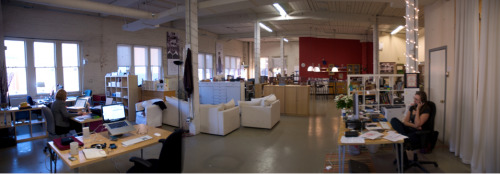
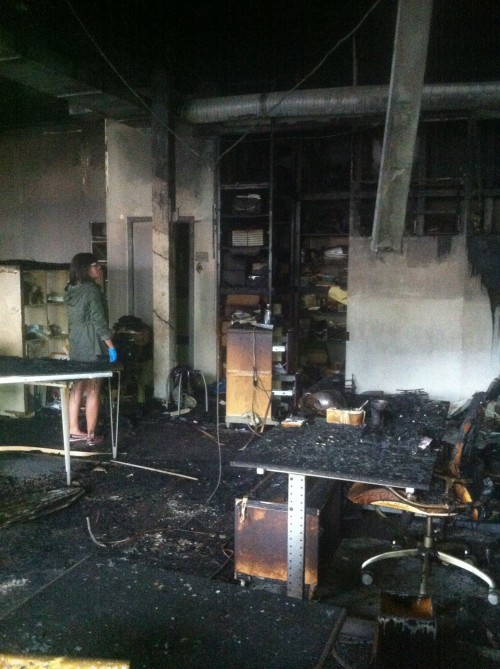
There was a fire in our building last Thursday night and our beautiful space is ruined. We know that roofers were doing renovations all week and that the fire started Thursday night at 8 pm, but we don’t know yet if the roof work was related to the fire. Nobody was in the building at the time, which is very lucky, and Crissy and I both had our computers and monitors at home. The greatest damage is to our shelving, books, documents, desks, chairs and other stationary like business cards.
What I have learned so far is that 1) you should have your critical documents in a fire-proof cabinet 2) if you do have water and smoke damaged documents you need to get them in a freezer within 48 hours to prevent mould and bacteria from forming and 3) you need a checklist or emergency plan so that you’re not trying to research during a crisis, instead you can just start tackling the critical issues right away.
As I figure out what our checklist should have been, I’ll post the tips should you find yourself in a similar situation. Fingers crossed, of course, that you don’t.

Ways to Support Author Marketing


Measuring the Impact of Publicity

Year-End Review Framework for Publishers
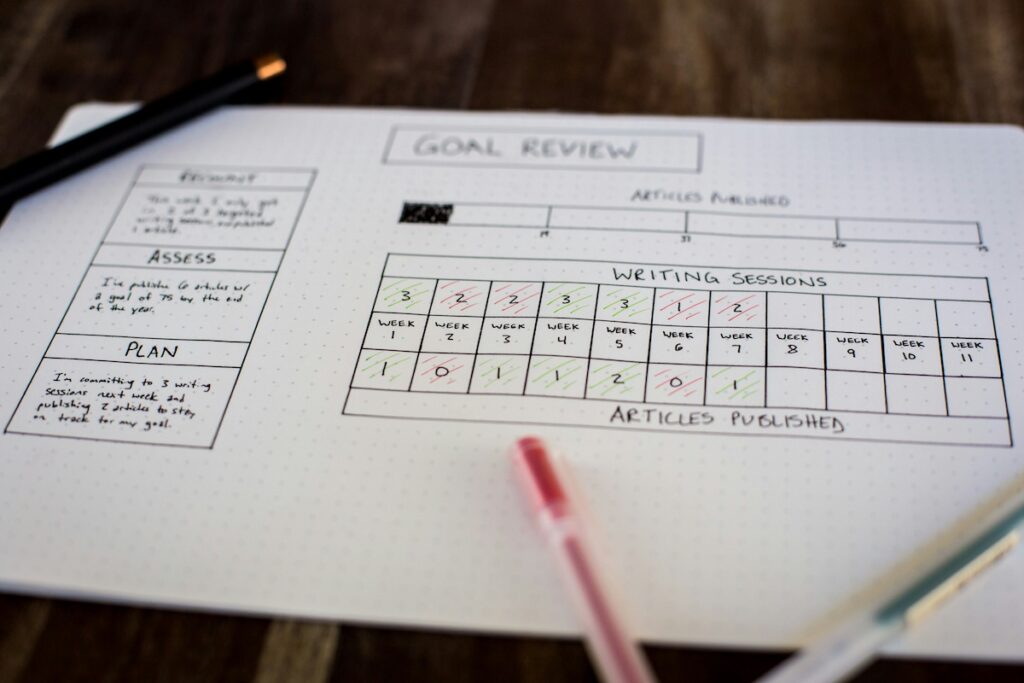
Year-End Review Template for Agencies & Consultants
Your Holiday Playbook Is Outdated